About PARDA
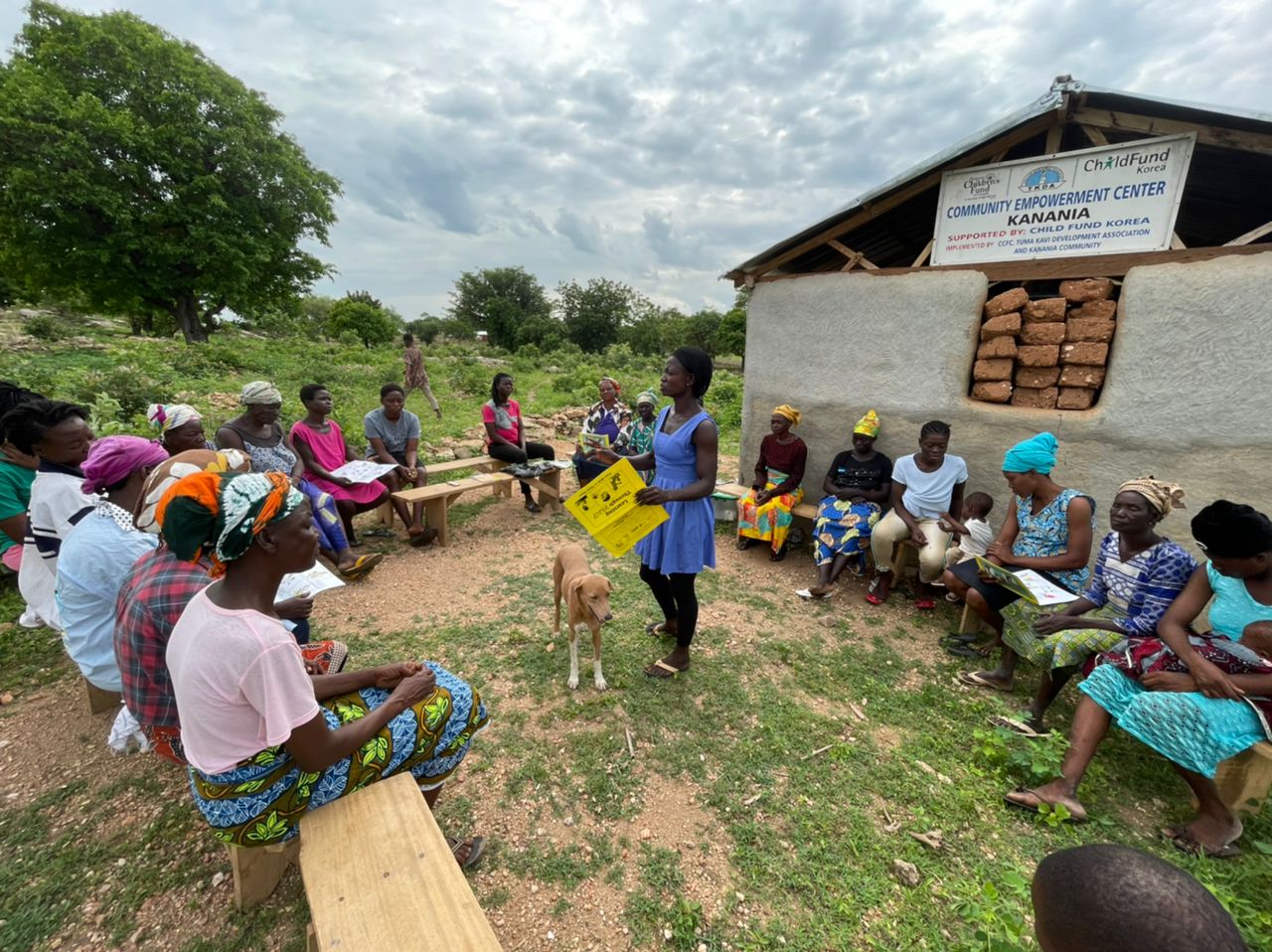
PARDA is a local development organization founded in 2002 and registered in 2005 to mobilize and manage local resources for community self-help development. It promotes maternal and child health, education, gender equality, and anti-corruption through community-based strategies. Notable achievements include establishing female-led Community Health Committees, providing boreholes, and training Traditional Birth Attendants. These efforts have significantly improved health-seeking behavior, increasing skilled childbirth support from 54% to 74% in the Upper East Region between 2010 and 2014. Despite successes, PARDA aims to address persistent implementation challenges and strengthen social accountability mechanisms in community health services, supported by Oxfam.
OUR Missions
PARDA facilitates and promotes pragmatic actions towards active peoples’ participation in transformational wellbeing in the area of; health, education, livelihoods and food security, research, environment and climate change for integral human development.


Latest campaigns
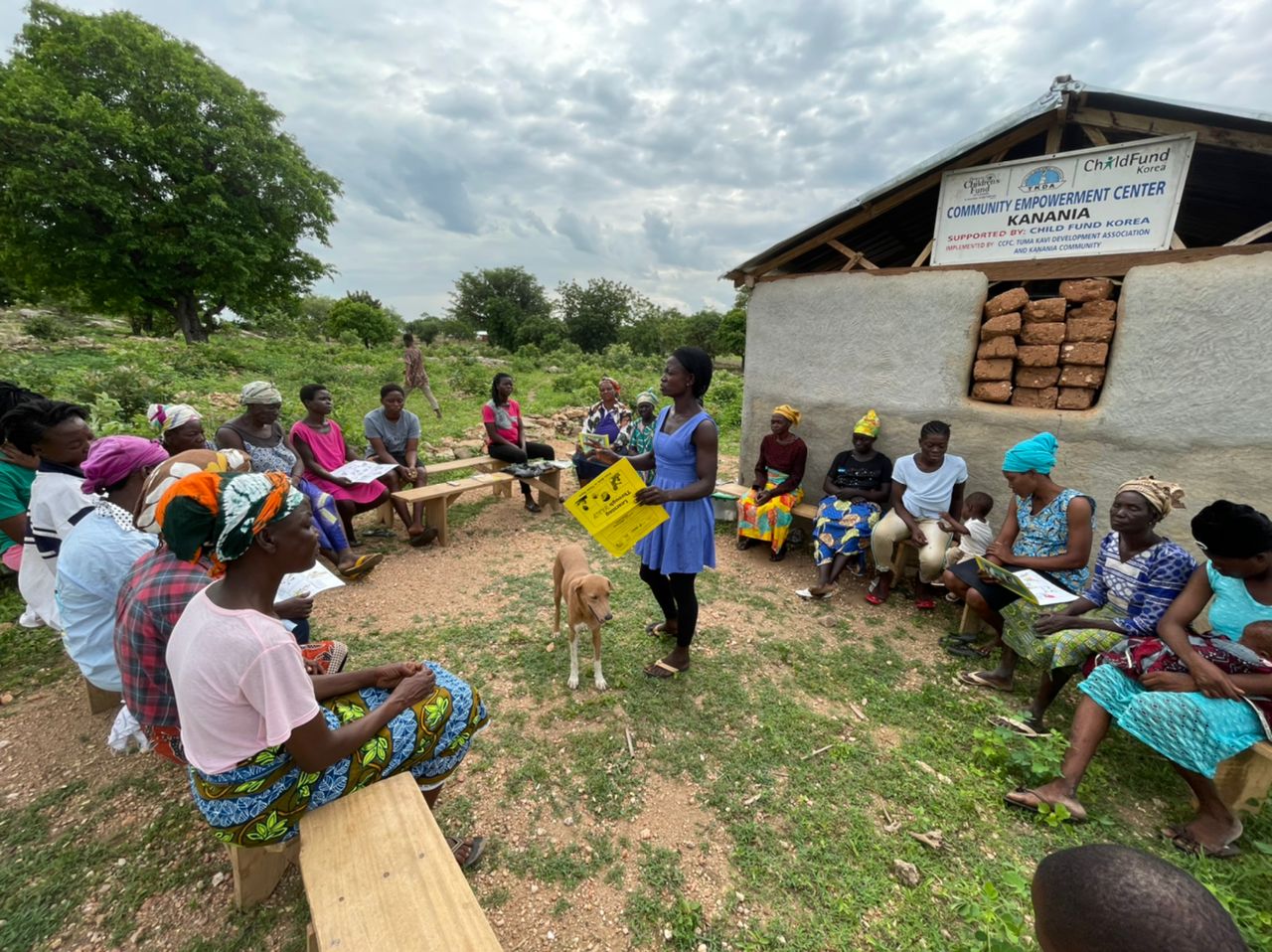
01. The Power to Choose (P2C): Is a Sexual Reproductive Health and Rights (SRHR) (2020-2026)
The Power to Choose (P2C): Is a Sexual Reproductive Health and Rights (SRHR) intervention that seeks to support individuals whose sexual and reproductive rights are most constrained (young people, especially adolescent girls and young women, unmarried people and people living with disabilities in and out of school) to exercise and enjoy their sexual and reproductive health and related rights. This will be achieved through interconnected streams of work to empower the youth and create supportive communities, improve the provision of health services and influence policies and practices.
Latest campaigns
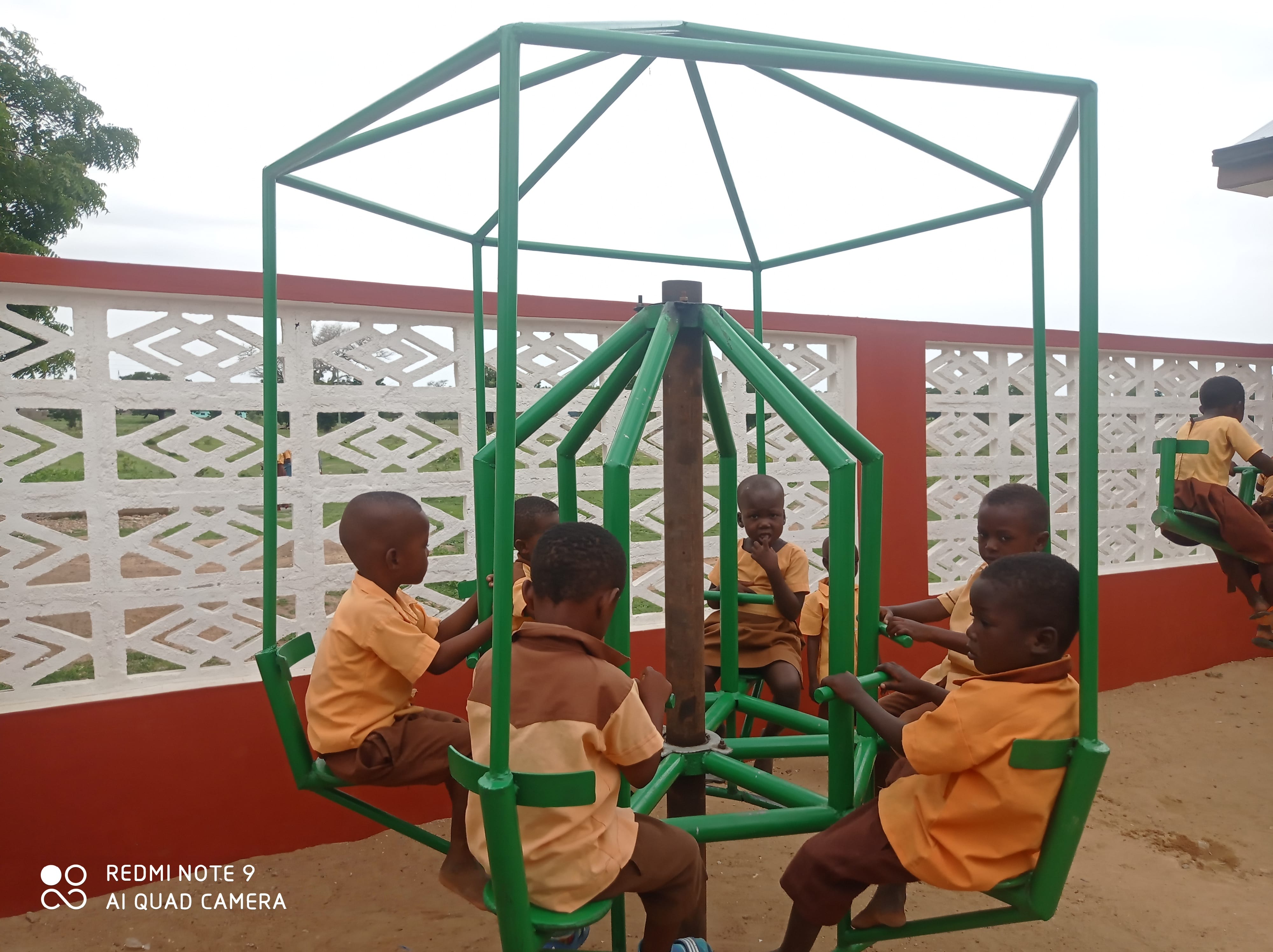
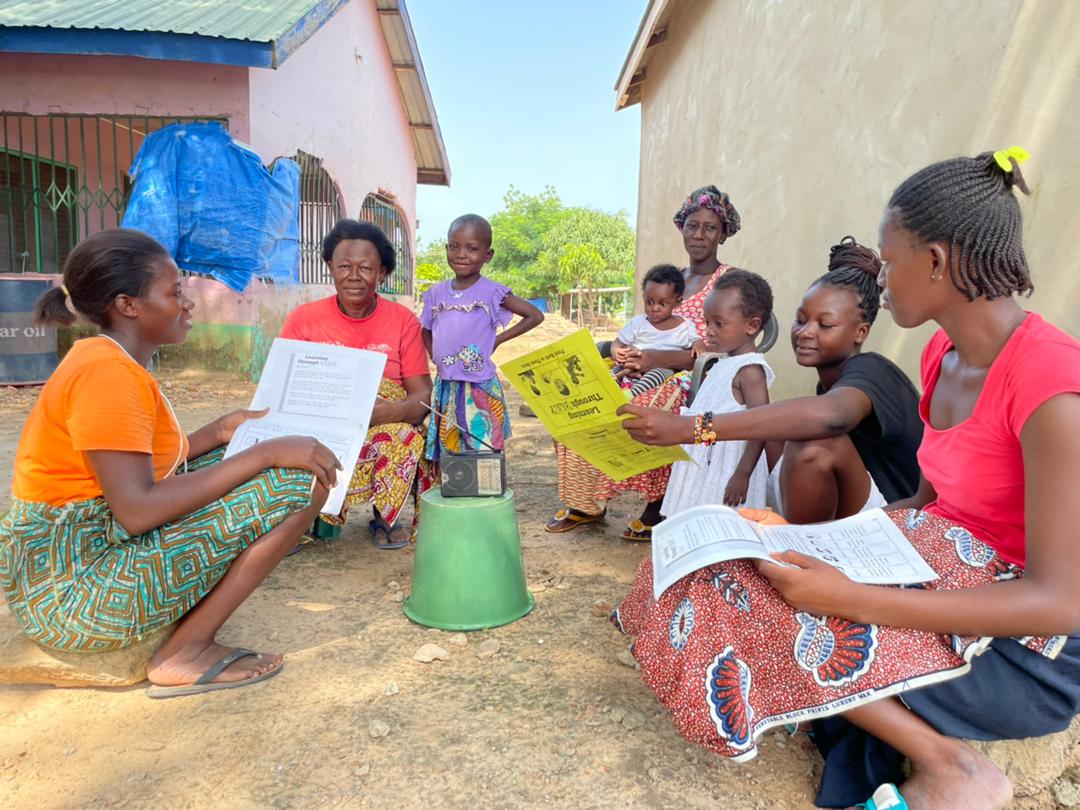
02. Builsa-Kasena Area Child Development Program (2020- to Date)
The Program aims to improve the quality of life for children, families and communities in rural. It targets five key areas of improvement in this regard: health and nutrition; education; water, sanitation and hygiene; strengthening community organizations; and sustainable livelihood development. The Program commenced in 2020 and is still running.
Latest campaigns
03. The Citizens in Health Accountability Project (CHAP) (2019-2021)
The Citizens in Health Accountability Project (CHAP) is an initiative of PARDA aimed at mobilizing and facilitating civil society efforts and resources to strengthening social accountability mechanisms in the implementation of the Community-based Health Planning and Service (CHPS) programme in 6 Districts/Municipals Namely Bawku West, Bolgatanga, Talensi, Bawku, Nabdam and Kasena Nankana in the Upper East Region of Ghana. The changes to be influenced by this project in order to make the CHPS achieve their potentials to contribute to reducing maternal and infant mortality in rural communities in the Upper East region will include among others; increased demand for health services, community alertness and support to health facilities, increased community engagement with health providers , timely delivery of health services fair/equitable distribution of key personnel (nurses, midwives, nurse practitioners and medical/physician assistants, laboratory technicians, etc.). The project is been funded by Open Society Initiative for West Africa (OSIWA). The project run from September 2019 to September 2021.